
About two years ago, I hit a wall. Not the dramatic kind where you quit your job in a blaze of glory or cry in a parking lot. The boring kind where you sit at your desk with six tabs open, a half eaten granola bar next to your laptop, and you just can’t. You read the same paragraph four times and nothing goes in. You open Slack, close it, open it again. You’re technically working, but your brain has quietly clocked out without telling you.
I thought I was just tired. I took a long weekend. Same feeling on Monday.
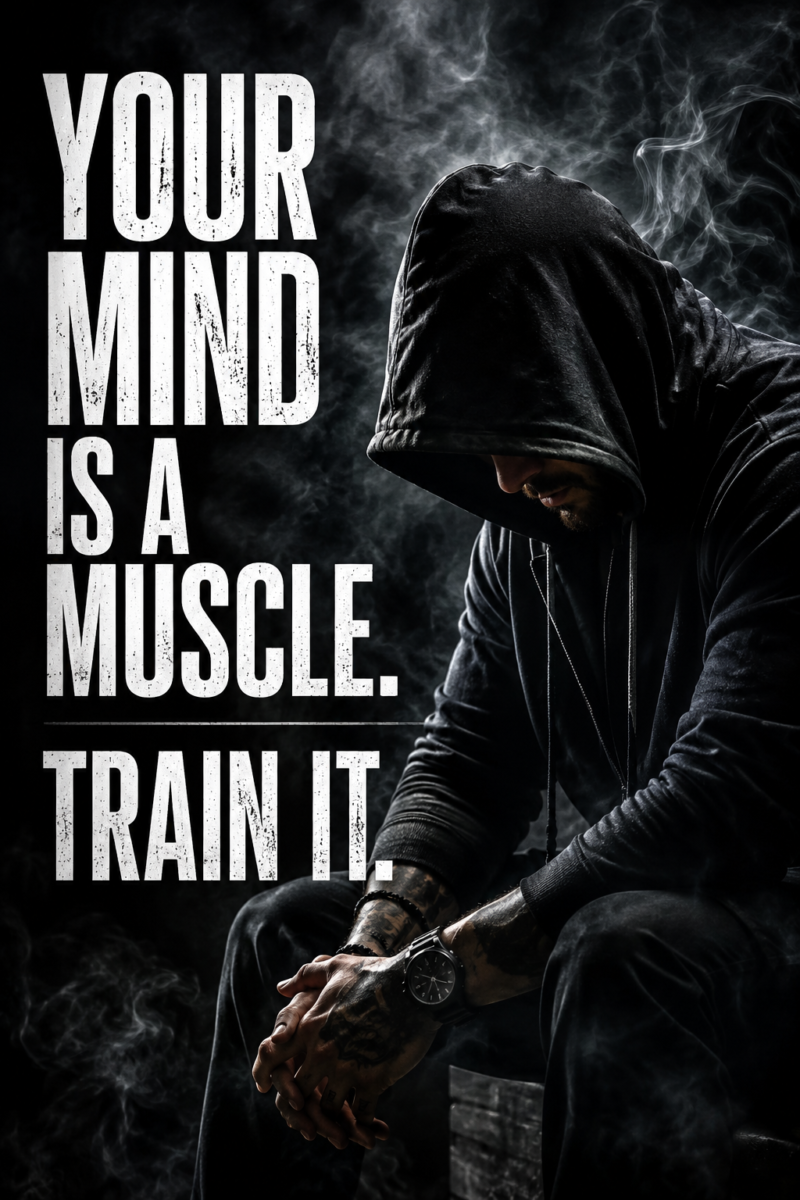
What I eventually figured out through a mix of reading, trying things, failing at things, and reluctantly talking to a therapist is that my brain wasn’t broken. It was just wildly out of shape. I’d spent years half heartedly exercising my body and never once thought about doing the same for my mind. And I don’t mean mindfulness retreats or morning journaling with a forty dollar pen. I mean practical, actually doable things that changed how my brain functions day to day. Here’s what worked, what didn’t, and what I wish someone had told me earlier.
What “Mental Fitness” Actually Means
The term gets thrown around a lot and it can sound vague, almost self helpy. But I think of it simply: mental fitness is your brain’s ability to stay focused, recover from stress, handle emotional hits, and think clearly under pressure. Just like physical fitness isn’t about being an athlete it’s about being functional mental fitness is about being able to show up fully in your actual life. And just like physical fitness, it degrades when you neglect it, and improves when you put in consistent work.
The Five-Minute Morning Brain Dump
I resisted journaling for years because it felt precious. Like I needed the right notebook, the right mood, some compelling thought worth recording. But this isn’t that. The brain dump is exactly what it sounds like every morning, before you open your phone or check your email, you spend five minutes writing whatever is rattling around in your head. Unfiltered. No editing. Worries, half formed annoyances, a grocery list, a random memory from 2009, whatever comes out. You’re not trying to produce anything. You’re just clearing the cache.
The first week felt completely pointless. By week three, something quietly shifted. I started my mornings feeling less cluttered, less like I was already behind before the day had started. There’s solid research behind this offloading anxious or repetitive thoughts onto paper reduces their grip on your working memory. Your brain doesn’t have to keep holding them “just in case” anymore. I use a cheap paper notebook and a pen. I tried apps like Day One but the analog version works better for me no notifications, no screen, no temptation to go back and edit what I wrote.
The mistake I made early on was trying to make it “good.” Writing complete sentences, going back to read old entries, cringing at myself. Don’t do that. It’s a drain, not a diary. Write it, close the book, move on.
Deliberate Focus Practice
Everyone tells you to focus better. Nobody tells you how to actually build that capacity over time. What helped me was treating focus like a muscle I was training rather than a switch I kept failing to flip. That meant doing short, intentional blocks of single tasking not because I had a deadline, but as practice, the same way you’d go to the gym on a Tuesday when nothing is on the line.
I’d pick one task, set a timer for twenty-five minutes, and my only job was to notice when my mind wandered and gently bring it back. That’s the whole exercise. Just like a bicep curl the value isn’t in holding the weight perfectly still, it’s in the repetition of returning to it. I started with one focus block a day, and over about six weeks I noticed I could sustain attention for longer without forcing it as hard. The wandering didn’t stop, but the return became faster and less effortful.
The app Forest was surprisingly useful for this you grow a virtual tree during your focus block and it dies if you leave the app. It sounds silly, and it kind of is, but it works. I also used Flow on my Mac, which is clean and distraction free. The real key though isn’t the app. It’s putting your phone face down in another room before you start, and not letting “just checking one thing” be the exception that slowly becomes the rule.
Mindfulness
When I say mindfulness, I don’t mean sitting cross legged in silence for thirty minutes. I tried that. I’m genuinely bad at it, and early attempts mostly made me feel worse about myself because I couldn’t stop thinking about whether I was doing it right. What actually worked was micro mindfulness brief, intentional moments of noticing scattered throughout the day.
Before I open my laptop in the morning, I take three slow breaths. Before I reply to a stressful message, I pause for ten seconds. When I’m washing dishes, I actually pay attention to the temperature of the water instead of mentally writing my to do list. These tiny moments add up more than you’d expect. The goal isn’t some blissed out state it’s building the habit of checking in with yourself rather than running entirely on autopilot.
The app Headspace was genuinely useful for getting started, specifically their three minute “mini meditations” which felt manageable when longer sessions felt impossible. Waking Up by Sam Harris is better if you want something more rigorous and less corporate wellness y. But honestly, the app matters less than the consistency. Even two minutes of intentional breathing before bed, every night, compounds into something real over months.
Cognitive Reframing Changing the Story You’re Telling Yourself
This one sounds like a therapy buzzword but it’s genuinely practical once you actually put it into practice. Your brain narrates everything that happens to you, and that narration isn’t neutral. It has a slant usually negative by default, because that’s how we’re evolutionarily wired. “I embarrassed myself in that meeting” doesn’t just describe what happened. It adds judgment, predicts future meetings will go the same way, and slowly starts to feel like a fact about who you are rather than a description of one moment.
Reframing isn’t toxic positivity or pretending everything is fine. It’s about questioning the narration your brain produces automatically. When something goes badly, I try to walk myself through a few honest questions: What actually happened, stripped of my interpretation? What else is also true about the situation? What’s genuinely useful to take from this? That last question is the most important one it moves you from rumination into something actionable.
It took a while before this felt natural rather than forced. At first it genuinely felt like arguing with myself, which is its own kind of exhausting. But after a few months of practicing it deliberately, it became closer to an automatic response. I still have bad mental days. I just spend less time marinating in them.
Physical Movement as a Mental Tool
I know you came here for brain stuff, not a lecture about walking more. But I’d be leaving something genuinely important out if I skipped this entirely. The research on exercise and cognitive function is overwhelming at this point. Even twenty minutes of moderate movement improves mood, focus, and working memory measurably, and not in some distant future but on that same day.
What changed for me was reframing movement as a mental health tool rather than a body image thing. I started walking twenty to thirty minutes after lunch, without my phone, without a podcast, without music. Just walking and letting my brain wander freely. Some of my clearest thinking, my best problem-solving, happens in those twenty five minutes. There’s something about the rhythm of walking that loosens things up mentally in a way that sitting at a desk never does.
If the gym feels inaccessible financially, logistically, motivationally a daily walk is genuinely enough to move the needle. Don’t let the perfect version of exercise be the reason you do nothing.
Sleep as a Non Negotiable Cognitive Investment
I used to treat sleep like a flexible resource I could borrow from when needed and pay back on weekends. I was so wrong about this for so long. Sleep deprivation doesn’t just make you tired it actively impairs memory consolidation, emotional regulation, and decision-making in ways that feel invisible until you’re rested enough to notice the contrast. Running on six hours feels manageable right up until you experience what eight actually feels like. The difference is like switching from dirty glasses to clean ones. You forget what clear looks like.
The changes that helped me most were small ones. No screens for about forty five minutes before bed I use Night Shift on my phone and a physical book to replace the scrolling habit. A consistent wake time even on weekends, which sounds brutal but genuinely stabilizes your body clock faster than anything else. A cooler room. I also started tracking my sleep with a Garmin watch, not obsessively, but enough that seeing the actual data made me take it more seriously than I ever had before.
Mistakes I Made So You Don’t Have To
The biggest mistake I made was trying to implement everything at once. I picked up five new habits in one January and dropped all of them before February. The excitement of a fresh start is real, but it burns out fast when you’re trying to change too much simultaneously. Pick one practice, do it for three weeks until it feels automatic, then consider adding something else. Slow is sustainable. Sustainable is what actually changes things.
The other thing worth knowing is that progress isn’t linear. Mental fitness doesn’t improve in a neat upward curve. There are good weeks and genuinely rough weeks, and the rough ones don’t mean you’ve failed or that the practices aren’t working. The trend over months is what matters, not any single day. Related to this and this one took me an embarrassingly long time to learn don’t drop your practices when life gets hard. The temptation is to think of them as luxuries you can skip when things are stressful. But stress is exactly when they matter most. Skipping your brain dump or your focus block because you’re overwhelmed is like skipping physical therapy because your injury hurts.
Finally, and I want to say this clearly: these are maintenance tools. If you’re dealing with persistent anxiety, depression, grief, or anything that feels bigger than ordinary mental noise, please talk to someone trained to help. A good therapist is worth more than every app and productivity technique combined. These practices don’t replace that they work alongside it.
Where I Actually Landed
Two years in, the difference isn’t that life got easier. It’s that I got better at handling it. I still get stressed. I still have mornings where lying on the floor sounds more appealing than opening my email. But the recovery time has shortened noticeably. I catch myself in a bad mental spiral earlier. I return to baseline more smoothly and more quickly than I used to.
The five minute brain dump is still part of my morning. The focus blocks are woven into my work week. I walk after lunch most days. I sleep like it’s a job I take seriously.
None of this is glamorous. There’s no app that transforms you overnight, no single technique that rewires your brain in a week. But if you’re consistent even imperfectly consistent the compound interest of these habits is real and genuinely noticeable over time. If you take one thing from all of this: start with the brain dump. Five minutes tomorrow morning before you touch your phone. Write whatever’s in your head. No pressure, no rules. Do it for two weeks and see what happens. That’s a low enough bar that there’s no real excuse not to try it.

Minhas is the founder and editor of InsidersDesk, a health and wellness platform dedicated to providing practical, easy-to-understand information on fitness, nutrition, healthy living, and mental well-being. He researches trusted sources and transforms complex health topics into actionable advice that readers can apply in their daily lives. His goal is to help individuals build healthier habits and make informed decisions about their overall wellness.
1 response