I used to think belly fat was just a willpower problem. Wake up, work out harder, eat less, repeat.
Eggs he Breakfast You’ve Been Underestimating
For years I ate oatmeal in the morning because that’s what “healthy people” do. And it’s not bad but I was starving by 10 AM, which meant I was snacking on whatever was nearby (usually not great stuff). When I switched to two or three whole eggs in the morning, something shifted. I was full for hours. Like, genuinely not-thinking-about-food full. Here’s why that matters for belly fat: eggs are packed with protein and healthy fats, and they naturally lower your hunger hormone (ghrelin) while boosting satiety hormones. Your body also uses more energy to digest protein than it does carbs it’s called the thermic effect of food, but you don’t need to remember that term. Just know that eggs make your body work a little harder after you eat. I also learned the hard way that skipping the yolk is a mistake. That’s where most of the nutrients are. The whole “egg yolks are bad” thing has been largely debunked by now, and removing them just makes your breakfast less filling and less nutritious.
Green Tea Not Exciting, But It Does Its Job
I know. Green tea sounds like something your yoga instructor recommends. But bear with me. I started drinking two cups of green tea a day one in the morning and one about an hour before I worked out. Nothing dramatic happened overnight. But over about six weeks, combined with the other changes I was making, I noticed my energy was more stable and I was sweating more during cardio sessions (which, weirdly, felt like a good sign). Green tea contains compounds called catechins, particularly one called EGCG, which studies have shown can help your body break down fat more efficiently especially during exercise. It also has just enough caffeine to give you a slight metabolic boost without making you feel wired. The key is drinking it consistently, not just once and expecting results. Think of it as a quiet background supporter, not a headliner. One thing I’d strongly avoid: those “green tea fat burner” supplements in pill form. They’re often wildly concentrated and can spike your heart rate and mess with your sleep. Just drink the actual tea. It’s cheap, it works, and it won’t give you palpitations at 2 AM.
Avocados — Yes, Really (Even Though They’re High in Fat)
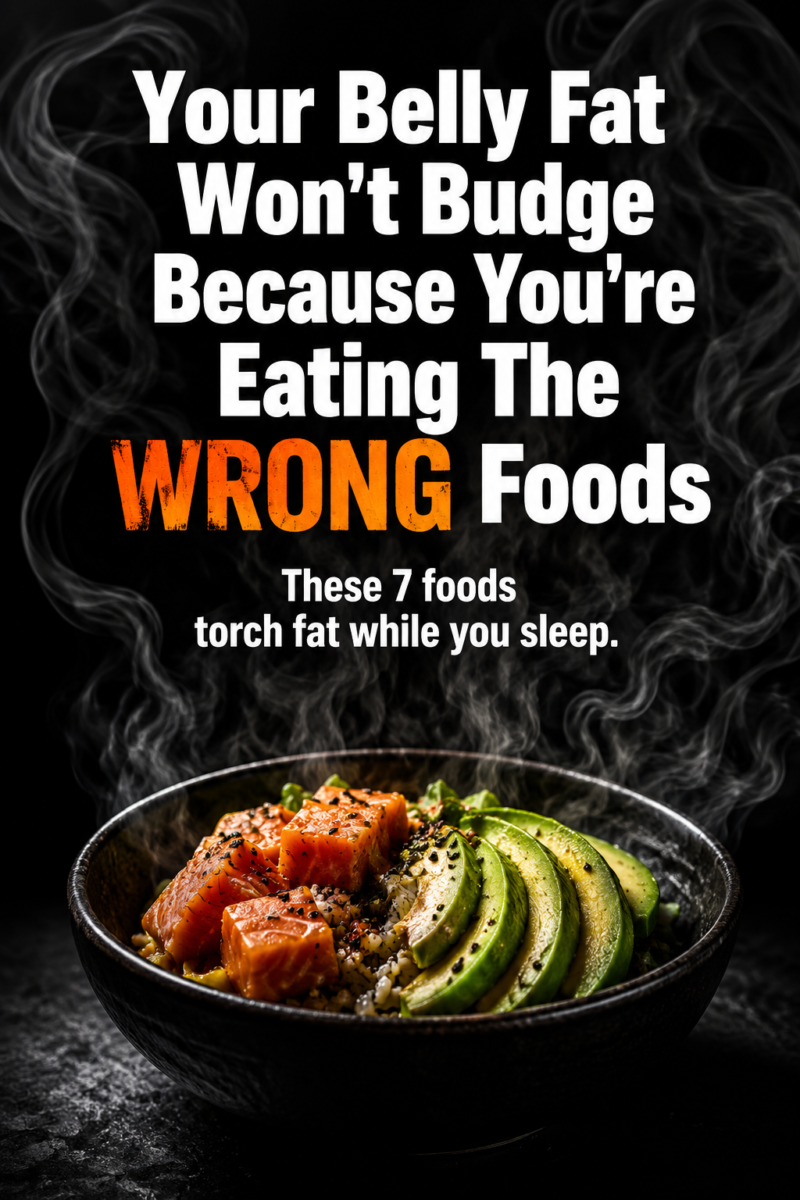
This was the thing that confused me the most when I first started researching this. How is a food that’s almost entirely fat supposed to help me lose fat? The short answer is that the type of fat matters enormously. Avocados are loaded with monounsaturated fats, particularly oleic acid, which your body actually uses as a fuel source rather than storing it. They’re also high in fiber, which keeps you full, and potassium, which helps reduce water retention a big contributor to that “puffy belly” look. I started adding half an avocado to my lunch, usually in a salad or mashed on some whole-grain bread, and the afternoon snack cravings that used to derail me pretty much disappeared. The mistake I made early on was eating too much of it. Half an avocado is the sweet spot. A whole one every day with no other dietary adjustments could backfire because of the calorie density. More isn’t always better, and that lesson took me longer than I’d like to admit to learn.
Fatty Fish — Salmon, Sardines, Mackerel
I’ll be honest I was not a salmon person growing up. I mostly ate chicken and didn’t have much exposure to fish. But when I started reading about omega 3 fatty acids and their role in reducing visceral fat (that’s the deep belly fat that wraps around your organs the actually dangerous kind), I decided to give it a real shot. I started with salmon twice a week, baked with some lemon and garlic. Simple, nothing fancy. What omega 3s do, in plain terms, is help reduce inflammation in your body. Chronic inflammation is closely linked to belly fat accumulation your body is essentially in a constant low level stress state, and it holds onto fat as a response. Getting enough omega 3s helps calm that down over time. After about a month of eating fatty fish regularly, I also noticed I was sleeping better. Turns out omega 3s also support better sleep quality, which is huge for fat loss because poor sleep spikes cortisol (your stress hormone), which tells your body to store fat especially around your midsection. If you genuinely don’t like fish, sardines in olive oil on whole grain crackers are surprisingly good and much cheaper than salmon. I know that sounds like something a grandparent would eat, but honestly, give it a chance.
Apple Cider Vinegar — With Some Important Caveats
I want to be careful here because ACV gets a lot of hype and a lot of abuse online. I tried the thing where you drink a tablespoon of raw apple cider vinegar diluted in water before meals. Did it every day for about three weeks. What I noticed was that my digestion felt better less bloating, and I felt a little less hungry at meals. Did I lose fat just from ACV? Definitely not. But it seemed to be a genuinely useful addition to everything else I was doing. The science suggests ACV can help reduce blood sugar spikes after meals, which lowers the insulin surge that tells your body to store fat. Over time, more stable blood sugar means less fat storage. That’s the theory, and anecdotally, it tracked with my experience. The major caveat, and I cannot stress this enough, is to never drink it straight. It’s highly acidic and will damage your tooth enamel and irritate your esophagus. Always dilute it one tablespoon in at least eight ounces of water. And if you have acid reflux, skip it entirely and don’t let anyone on the internet convince you otherwise.
Leafy Greens — The Volume Eating Game-Changer
Spinach, kale, arugula, Swiss chard. I won’t pretend these are exciting. But they completely changed how I structured my meals, and that change mattered more than I expected. The concept is simple: leafy greens give you a huge volume of food for almost zero calories, keeping you full without adding much to your daily intake. They’re also loaded with magnesium, which most people are chronically deficient in and low magnesium is tied to higher cortisol levels, which as we’ve already talked about, is tied to more belly fat. My practical approach was making a massive salad the base of one meal a day. Then I’d build on top of it some protein, some healthy fat, a complex carb if I was working out that day. The salad itself filled half the bowl and most of my stomach, so I naturally ate less of the denser stuff without even consciously trying. It’s one of those changes that feels almost too simple to work, but it does.
Greek Yogurt — Especially the Plain Kind
The flavored Greek yogurts at the store are often loaded with sugar, which pretty much cancels out the benefits. Plain Greek yogurt is a different story. It’s high in protein around 17 to 20 grams per cup which as we covered earlier, keeps you full and increases the calories your body burns during digestion. It also contains probiotics, the beneficial bacteria that support gut health. There’s a growing body of research connecting gut microbiome health to belly fat, and while the science is still developing, keeping your gut healthy is a reasonable and safe play with a lot of upside. I started eating plain Greek yogurt with some berries and a drizzle of honey in the afternoons. It replaced my previous habit of grabbing whatever was in the break room, which was usually cookies or chips. The switch didn’t feel like a sacrifice after about a week it actually started feeling like a real meal rather than a desperate snack.
Common Mistakes I Watched Myself (and Others) Make
The biggest mistake I see people make is eating these foods in addition to everything else rather than instead of the bad stuff. You can’t just add salmon and avocado to an already poor diet and expect magic. These foods work best when they’re replacing the less helpful things refined carbs, sugary drinks, ultra processed snacks. They’re tools, not miracles. The second mistake is expecting fast results. I didn’t see meaningful belly changes for about six to eight weeks of consistent eating, and I had to fight the urge to quit every single week in between. Anyone promising you’ll see dramatic results in ten days is selling something you don’t need. Patience is genuinely part of the strategy. A lot of people also forget about liquid calories entirely. I cut out juice, most alcohol, and any fancy coffee drinks with syrups, and that alone made a noticeable difference in belly bloat within two weeks without changing anything else. And then there’s sleep, which almost nobody talks about when they’re discussing belly fat. I track mine with a Garmin watch now, and the correlation between bad sleep nights and craving junk food the next day is undeniable. No food strategy, no matter how good, works well when you’re running on five hours of broken sleep. Cortisol takes over and undoes a lot of your progress.
The Real Talk
None of this is groundbreaking nutrition science. These aren’t secret foods that some shadowy diet industry is hiding from you. They’re just foods that genuinely work that support your metabolism, reduce inflammation, keep you fuller longer, and help your body function the way it’s supposed to. The shift for me wasn’t finding some magic formula. It was stopping the obsessive calorie counting and starting to actually pay attention to what I was eating, not just how much. That’s when my body finally started cooperating. Start with one or two changes. Add eggs to your breakfast. Swap your afternoon snack for plain Greek yogurt. Drink green tea instead of a second coffee. See how you feel after two weeks, then build from there. That’s it. No 30 day challenge. No strict meal plan. Just better choices, stacked one on top of another, until they add up to something real.

Minhas is the founder and editor of InsidersDesk, a health and wellness platform dedicated to providing practical, easy-to-understand information on fitness, nutrition, healthy living, and mental well-being. He researches trusted sources and transforms complex health topics into actionable advice that readers can apply in their daily lives. His goal is to help individuals build healthier habits and make informed decisions about their overall wellness.
1 response